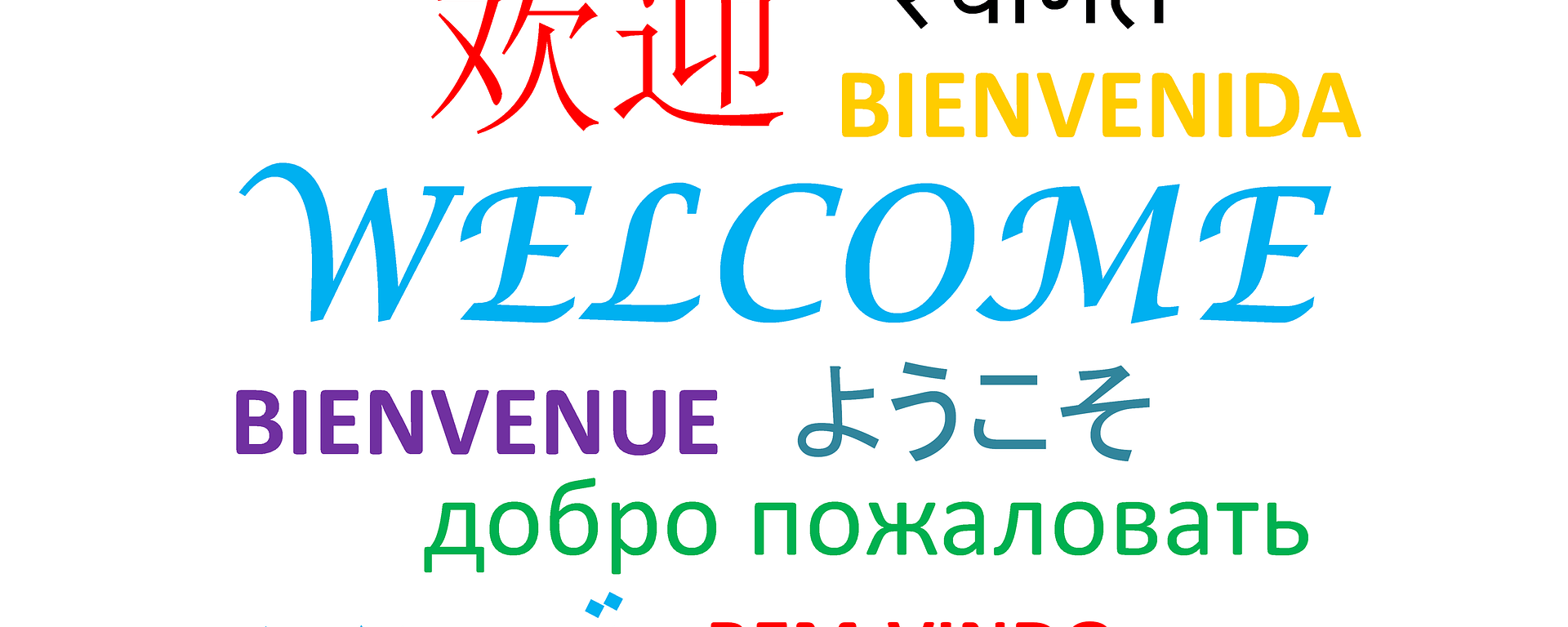
A recent client of mine asked a good question, “What language should I use to do my spiritual work?” Her first language is Spanish, and everything she is learning is in English. She wondered if things could still work for her even when her spoken English wasn’t perfect.
There are shamans all over the world, many of whom don’t speak a word of English. I’m a Hawaiian shaman, a kahuna, but I don’t speak Hawaiian. Some do. The kahuna who told me that I should get over it and own the title of kahuna used to do some of her rituals in Chinese. That is how she learned it from her father. He was adopted and raised by a first-generation Chinese couple that mostly spoke their language of origin, and that’s what they taught him. When he became a kahuna, he carried on the tradition by teaching his daughter what worked for him, including the words in Chinese.
I’ve met many people of power who don’t speak English as their first language. It’s a failing of Western Culture to assume that it’s a sign of lacking intelligence or basic understanding if someone doesn’t speak English. It perpetuates the belief that somehow that person is less than in some way. It’s not true in everyday life, and it’s especially not true in the world of spirituality.
Occasionally Catholic Mass is done in Latin. In Rome, in Italian, in Spain, in Spanish. The words are different, but the feeling behind the words is the same. The same is true in spirituality. It has to do with the meaning and intent of the words, not the words themselves.
One has to speak intent with the language of the heart. For some people, that doesn’t even require words. Light language is a good example. If you’ve never heard of it, there are many YouTube videos on it, and no two are alike. Buddhist and Benedictine monks chant. Native Americans chant as well.
The point I’m making here is not to get hung up on the words. Don’t worry so much about the exact wording if you’re using affirmations. As long as you get the gist of what you want and have that firm intent behind it, the universe will get the message. We often get caught up thinking we must do things precisely as instructed, or it won’t work. I’ve heard practitioners tell clients they must follow their rituals to the letter, or what they want won’t happen. Depending on your cosmology and what holds true, you might need that exacting process. I like things to be more fluid. I need something that gives me a framework to bounce around in while giving me room for personal expression. It’s probably why I’m a lapsed Catholic; too many rules. Also, the stand-up, sit-down, and kneel routine was killing my knees.
The only exception would be if you’re following a tradition that is generations old, then keep to the practice and follow the rules. Now is not the time for self-expression. There is a reason the ancient ceremonies have been passed down. It’s about tradition, cultural identity, and role. If you accept the responsibility of walking the path in the traditional way, you adopt the ceremonial patterns as well. I’m not saying that things can’t be modernized, but there is a reason that information has survived for a long time and must continue long after you’re gone.
I told my client to learn whatever she could in English but to put it into practice in Spanish. When your grasp of a language is limited, finding the words to convey what you mean is hard. Dispense with that and practice your brand of spirituality with the language in your heart, whatever that happens to be. Too often, we worry about what others will think or say about our actions. Your connection with God/The Universe/The Great Spirit – pick your label here, is a conversation between you and your higher power. It’s an A to B conversation; others can C their way out of it. Use the language you are most comfortable with and feel is the most useful to you. That is the language of spirituality.
 Hands on Fire